Table of contents
If you’ve talked to a private equity buyer or an investment bank about selling your manufacturing business, you’ve probably heard the word “synergies.” It sounds harmless, even collaborative. In practice, for many manufacturing owners, synergies is the word that comes right before a plant closing.
What a Buyer’s Roll-Up Strategy Looks Like

A roll-up strategy is straightforward. A private equity fund acquires a “platform” company in a fragmented industry. Then it acquires a series of smaller companies in the same or nearby niches, folding them into the platform.
The fund’s return doesn’t come mainly from growing any single business. It comes from “multiple arbitrage.” The fund buys small companies at a lower valuation multiple. It combines them into a larger platform that commands a higher multiple. Then it sells the whole thing to the next buyer.
For this math to work, the acquired companies need to generate cost savings once combined. That’s what “synergies” means in practice.
Where a Roll-Up Strategy Finds Savings

In manufacturing, synergies almost always mean some mix of the following:
This isn’t a small corner of the market. A 2026 Private Equity Stakeholder Project report found that in the first half of 2026, manufacturing accounted for more than 20% of all private equity acquisitions of companies with 500+ employees, and roll-up platforms are a major driver of that growth.
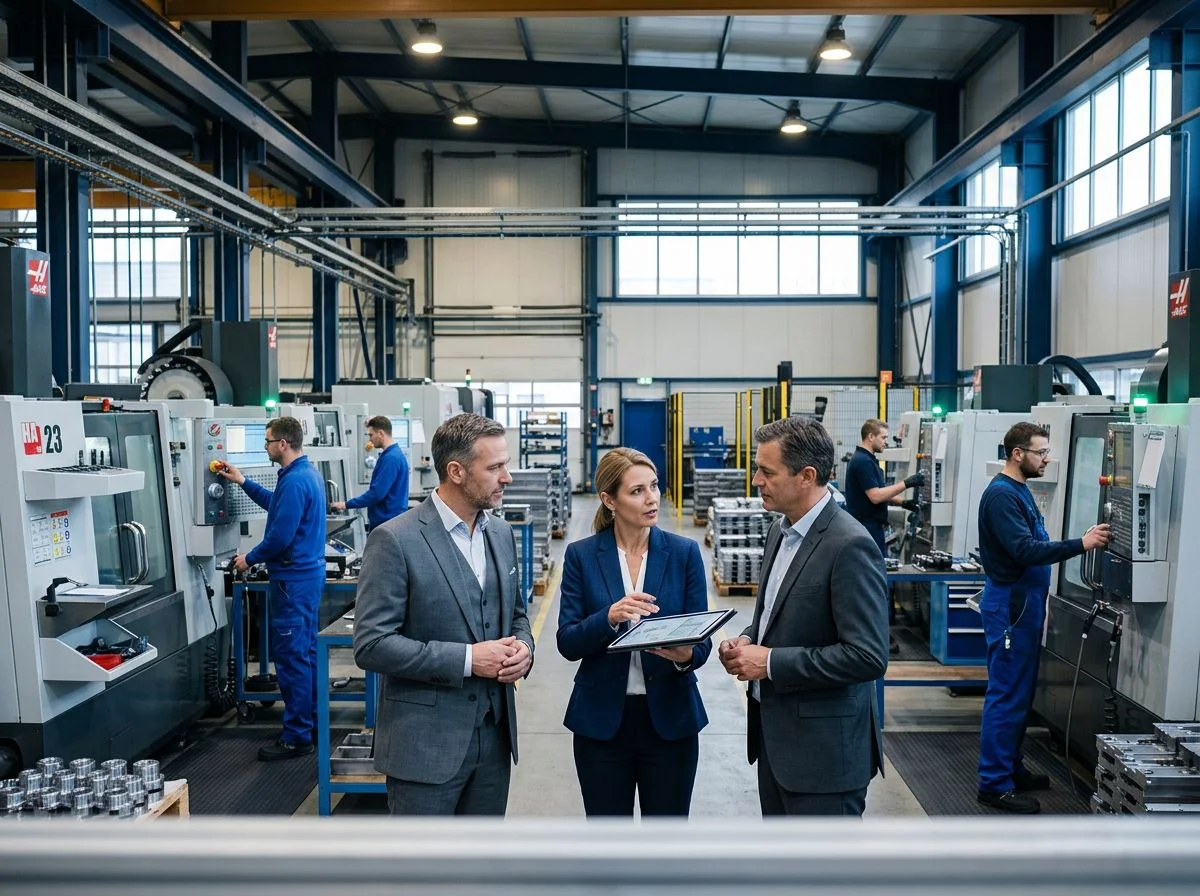
- Facility consolidation. Moving production from a smaller acquired plant into the platform’s larger facility, and closing or selling the smaller site.
- Headcount reduction. Cutting duplicate management, accounting, HR, and sales roles across the acquired companies.
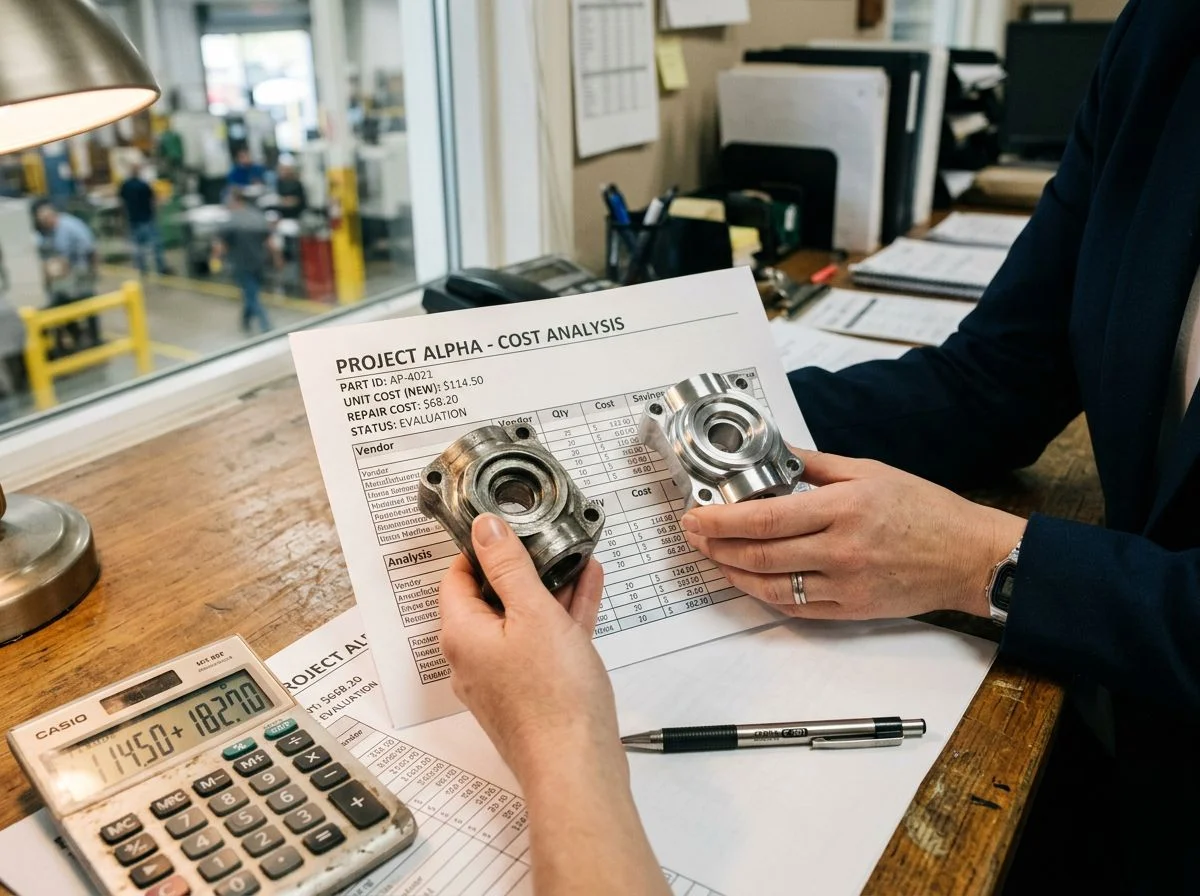
- Procurement centralization. Moving purchasing decisions to the platform level, often ending long-standing supplier relationships in favor of volume discounts.
- Systems consolidation. Replacing the acquired company’s ERP, quality, and scheduling systems with the platform’s own, even if the existing systems worked well.
Each of these can make sense from a pure cost-accounting view. Each can also mean the operational knowledge, customer relationships, and shop-floor culture that made the acquired business valuable get diluted or lost.
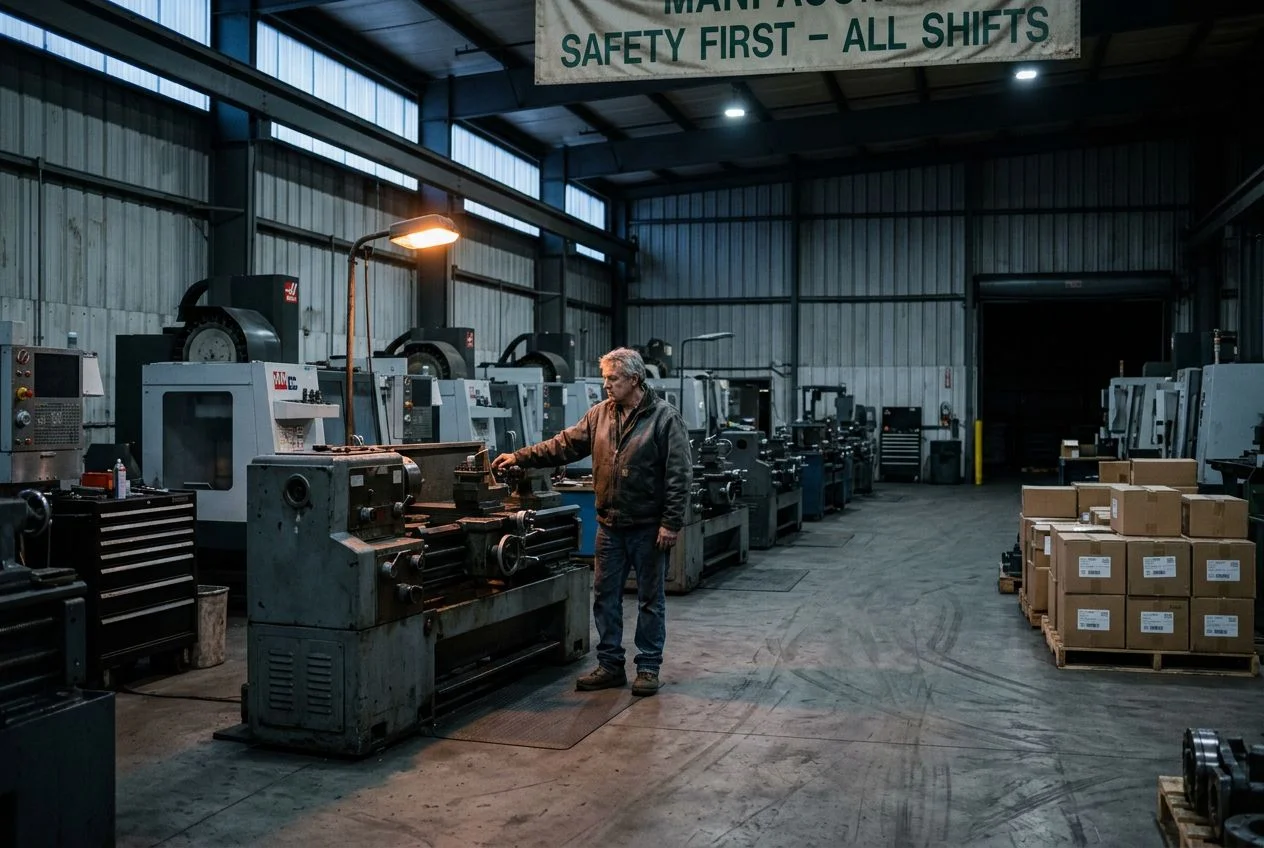
The shop-floor culture point matters more than it sounds. A small plant’s edge often lives in habits nobody wrote down. When you move production to a bigger site, those habits don’t travel with the equipment.
This isn’t hypothetical. Pretium Packaging, a plastics-packaging platform built through a string of private-equity-backed acquisitions, closed a Jacksonville, Florida plant in 2025 amid mounting debt pressure from its own roll-up strategy. Its PE owner, Clearlake Capital, then filed the company for Chapter 11 bankruptcy in January 2026 to restructure that debt, and closed a Philmont, New York plant later that year as part of the post-bankruptcy restructuring. Not every roll-up ends this way, but it’s a real, recent example of what the debt load and timeline pressure described above can eventually produce.
Why Good Managers Still Miss Integration

Most people executing a roll-up strategy aren’t trying to destroy what they bought. They’re responding to the return requirements of the fund’s own investors, on the fund’s own timeline.
A roll-up that doesn’t generate visible synergies within 18-24 months of an acquisition is failing to hit its investment thesis. So the pressure to find and execute those synergies is real and constant. It doesn’t matter whether those moves are good for your specific business.
That timeline pressure explains a lot of what founders see during a sale. Decisions that look short-sighted from the shop floor often look urgent from the fund’s side of the table.
What a Roll-Up Strategy Means for Founders

If your company has a genuine niche, then a ‘roll-up’ buyer may not value what makes your company special or unique. Instead, the buyer will focus on consolidating and standardizing your business into their platform, ignoring what makes your company’s unique strengths and potentially causing irreparable harm to your business and your customers.
That’s the fundamental difference in a permanent-hold model like ours. We don’t believe in synergies, and we don’t build platforms. Each company we acquire operates independently, in its own niche, run by the leadership that knows it best.
You can read more about how our model compares to the private equity roll-up approach here.
Still Have Questions?
We’re happy to answer any questions about our approach, acquisition criteria, or how we might be the right home for your business.
Get in Touch